Entrepreneurial Insight: Your Guide to Business Success in Belgium
Dr. Niklas Richter ·
Listen to this article~5 min

Entrepreneurial insight is that essential gut feeling for your market. In Belgium's complex regional landscape, it's what separates surviving from thriving. Learn how to develop and maintain it.
Entrepreneurial insight isn't just a buzzword. It's that gut feeling about your market, your customers, and your own business that you can't learn from a textbook. You know, that sixth sense telling you when to push forward and when to change course. In Belgium, with its unique mix of languages, regions, and regulations, that insight isn't just useful—it's essential. Let's talk about how you develop it and why it makes the difference between surviving and thriving.
### Understanding the Belgian Playing Field
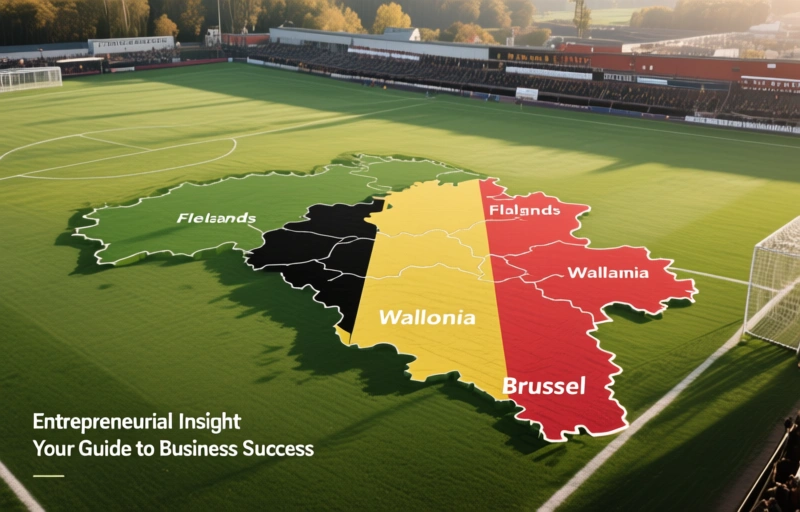
You can't score if you don't know the rules, right? Doing business in Belgium means navigating a landscape divided into regions—Flanders, Wallonia, Brussels—each with its own economic powers and support measures. That's not a bureaucratic footnote; it's a fundamental fact. A subsidy in Antwerp might not exist in Liège. The mindset of your target audience in Ghent can be subtly different from that in Namur. Real entrepreneurial insight starts with accepting this complexity, not fighting it. You have to learn the local nuances—the formal networks, the informal channels, how business really gets done. It's not just about VAT numbers and corporate structures (though those matter too, of course). It's about feeling the culture. Do you address customers in Dutch, French, or both? Which local events or trade fairs are worth your time? You build that kind of knowledge by being there, by talking, by observing. It's practical intelligence, and you don't get it from behind your desk.
### From Insight to Action: The Daily Reality
Okay, let's say you've developed a feel for the market. What now? This is where insight becomes real work. It's the ability to translate those feelings into decisions. For example, you notice customers asking more often for sustainable packaging. That's a signal. Insight is knowing whether this is a passing trend or a fundamental shift in your sector. It's having the confidence to invest in a greener alternative—even if the initial cost is higher—because you sense it will build customer loyalty long-term. Or take cash flow—everyone knows it's important. But insight is anticipating that seasonal dip in February, or knowing that payments in certain Belgian sectors are traditionally slower, and aligning your financing accordingly. It's about recognizing patterns. You see a particular marketing message isn't landing in Brussels but works in Flanders. Instead of getting frustrated, you adapt. You split your campaign. That's applied insight. It's a continuous process of learning, adjusting, and fine-tuning. And honestly? Sometimes it's just taking a calculated risk based on everything you know.

### Maintaining Your Insight (Because It Fades If You Don't Use It)
Here's the tricky part. Entrepreneurial insight isn't a diploma you earn once. It's a muscle. If you don't use it, it weakens. The Belgian business environment changes constantly—new legislation (ahem, indexations, ahem), new technology, shifting consumer expectations. What was a brilliant insight last year might be outdated this year. So, how do you keep it sharp? Talk to other entrepreneurs. Seriously. Go to networking events, not just to exchange business cards, but to hear stories. What are their pain points? How do they solve certain problems? Those conversations are gold. Read beyond the headlines. Dive into sector reports from organizations like UNIZO or the VBO. Analyze your own data—which products are selling well, where are your customers coming from, when are they most active? And perhaps most importantly: talk to your customers. Regularly. Not just when there's a problem, but to understand their evolving needs and frustrations.
Here are three practical ways to build and maintain your Belgian business insight:
- **Network locally in each region:** Don't treat Belgium as one homogeneous market. The connections and norms in Bruges differ from those in Charleroi.
- **Track regional data separately:** Your sales, marketing response, and customer feedback in Wallonia might tell a different story than your data from Flanders.
- **Embrace the multilingual reality:** Even basic efforts in the local language build tremendous goodwill and open doors that remain closed to those who don't try.
Remember, this isn't about having all the answers upfront. It's about developing the instinct to ask the right questions and the courage to act on what you learn. That's the insight that turns challenges into opportunities.