Reinventing Jewelry: From Family Shop to Home Service…
Dr. Niklas Richter ·
Listen to this article~5 min
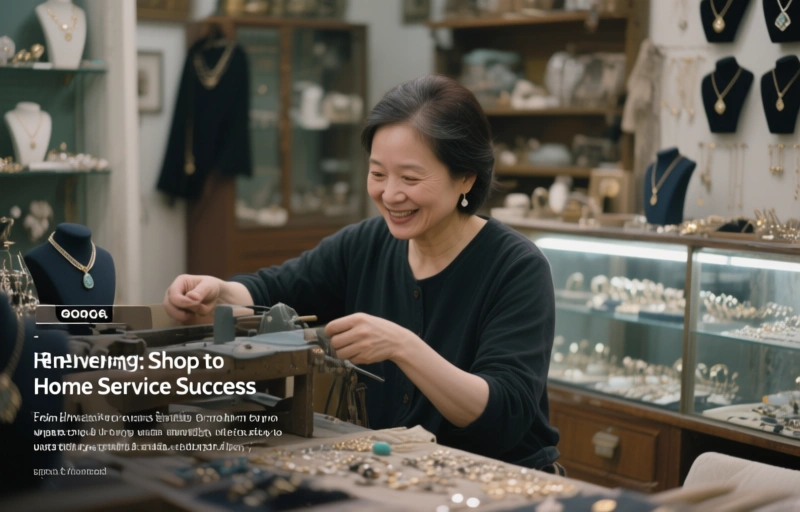
Christiaan Van Bignoot left his family's century-old jewelry store to create a mobile, appointment-only service. His model, born during the pandemic, focuses on trust, personal consultation, and convenience, perfectly matching how modern consumers want to shop for life's important moments.
Let's talk about tradition versus innovation. It's a tension every entrepreneur faces, especially when your family's been doing something the same way for over a century. That's exactly where Christiaan Van Bignoot found himself. His family's been in the jewelry business since 1907. That's generations of tradition. But Christiaan looked at that legacy and decided to take a different path. He walked away from the family jewelry store. Not out of rebellion, but out of vision. He saw a gap between how jewelry was traditionally sold and how people actually want to buy it today.
### The Birth of a Mobile Jewelry Concept
So what did he do? He became a jeweler who comes to you. No storefront, no fixed location. Just appointments, usually in the comfort of your own home. This wasn't some random idea either. It started taking shape during the pandemic, when traditional retail was struggling. But what began as a practical response grew into something much more thoughtful. It became a complete business model built around modern buying habits. Think about it. When you're making a significant purchase—especially something emotional like an engagement ring or anniversary gift—you want more than a transaction. You want guidance, trust, and zero pressure.
That's exactly what this model delivers. By removing the physical shop, Christiaan removes all the overhead and distractions that come with it. There's no rent for a prime location. No need to keep the lights on for walk-in traffic that might never come. Instead, every ounce of energy goes into the client experience. It's all about preparation and personal service.
### Why This Model Connects With Today's Customers
Here's the thing about modern consumers. We're informed. We do our research online long before we ever talk to a salesperson. We're specific about what we want. And perhaps most importantly, we're seeking calm and confidence in our purchases, especially for life's big moments. The traditional jewelry store, with its bright lights and sales targets, often creates the opposite feeling.
Christiaan's approach flips that script. Working by appointment means he's never rushed. He can dedicate his full attention to one client, one story, one piece of jewelry at a time. The conversation happens in a relaxed setting, often over a coffee at the client's kitchen table. This isn't just sales. It's consultation. It's co-creation.
As one satisfied client put it: "It felt less like buying a ring and more like designing a memory."
### The Tangible Business Benefits
You might wonder, does this actually work as a business? The results speak for themselves. This model fosters incredibly strong client relationships. When someone trusts you to come into their home for such a personal purchase, that bond is powerful. It leads to high conversion rates because the service is so tailored. And it creates a unique, memorable experience around jewelry that people naturally want to share.
- **Stronger Relationships:** The personal connection is the product.
- **Higher Conversion:** Focused, prepared service means fewer missed opportunities.
- **Unique Experience:** The service itself becomes a story clients tell.
- **Operational Efficiency:** Lower fixed costs mean healthier margins.
From custom engagement and wedding rings to personalized gifts, everything revolves around three core principles: attention, flexibility, and freedom of choice. The client isn't limited to what's in a display case. They're guided through a process of discovery.
### Lessons for Reinventing Any Traditional Trade
This story isn't just about jewelry. It's a blueprint for anyone looking at an established industry and wondering how to make it relevant again. The key wasn't to abandon the family's expertise—the craftsmanship and knowledge are still central. The innovation was in the delivery. It was in asking a simple question: "Where and how would my client feel most comfortable?"
The answer, for many, wasn't a downtown store. It was their own living room. This shift required courage. It meant betting on depth of service over breadth of location. But by aligning his business model with genuine client desires—for trust, for peace of mind, for a human connection—Christiaan didn't just start a new business. He redefined what being a jeweler could mean. And that's an inspiring thought for any entrepreneur standing at the crossroads of tradition and tomorrow.