Running a 3-Star Restaurant: Business Lessons from Tim Boury
Dr. Niklas Richter ·
Listen to this article~4 min
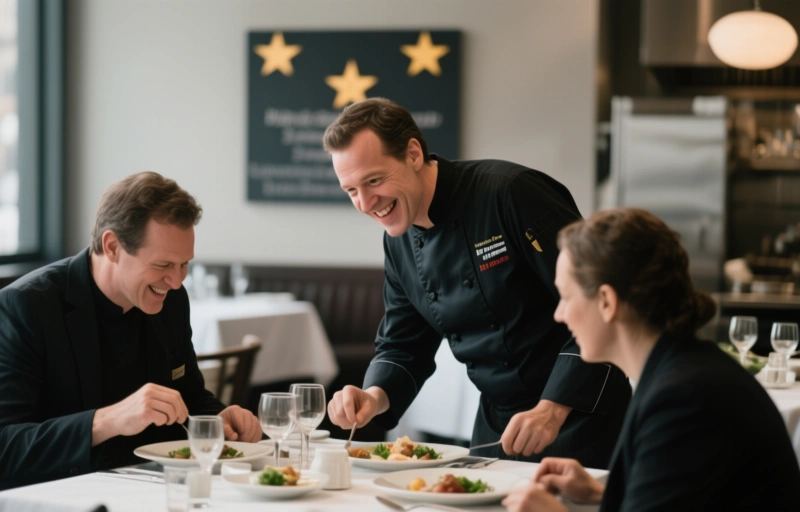
Tim Boury runs one of Belgium's only three-Michelin-star restaurants. Discover the business discipline, leadership, and hard choices behind the culinary artistry in this insightful look at elite entrepreneurship.
Running a business at Champions League level, every single day. That's the reality for Tim Boury and his wife Inge, who operate Restaurant Boury, one of only two three-Michelin-star restaurants in all of Belgium.
But behind those coveted stars? It's not all romance and fine china. It's structure, leadership, tough choices, and a team that has to perform at its peak for every single service.
This isn't a conversation about recipes. It's about entrepreneurship under permanent performance pressure. Let's dive into what it really takes.
### Why Running a Three-Star Restaurant Is Like Professional Sports
Think about the discipline of an Olympic athlete. That's the daily mindset. There's no off-season. Every guest expects a gold-medal experience, and the team's focus has to be absolute. It's a relentless pursuit of perfection where details aren't just details—they're everything.
Tim and Inge built their gastronomic empire on a foundation of solid processes, clear KPIs, and team discipline. They understood early that artistry needs a framework to thrive consistently.

### Every Guest Is an Inspector: Building That Mindset
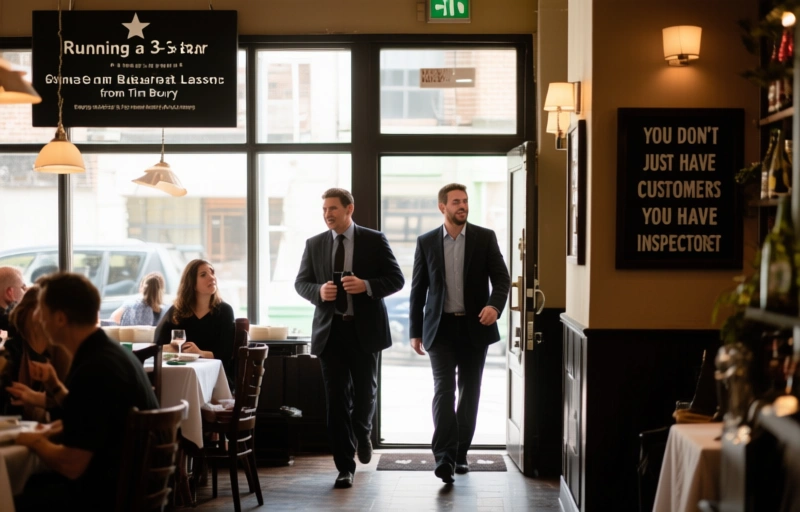
Here's a powerful shift in perspective. You don't just have customers; you have inspectors. Each person walking through the door is evaluating your performance. How do you get your entire team to adopt this mindset?
It starts with clear, non-negotiable standards. Quality isn't maintained by shouting. It's maintained by everyone knowing exactly what excellence looks like, from how a napkin is folded to the timing between courses. It's about creating a culture where people hold themselves accountable.
> "It's not about being perfect once. It's about being consistently excellent, a thousand times over."
### The Lasting Impact of a Global Crisis
The pandemic changed everything for hospitality. For Tim and Inge, it forced a reevaluation of their entire operation. They had to adapt quickly. Some changes were temporary, but others stuck because they simply made sense.
They learned to be more agile, to streamline operations, and to find new ways to connect with their guests. These weren't just survival tactics; they became permanent improvements to their business model.
### To Scale or Not to Scale? That's the Question
Growth seems like the obvious goal, right? But scaling a three-star restaurant isn't always wise. You can dilute the very essence of what makes it special. For them, expansion wasn't about opening more locations. It was about deepening the experience in their one flagship.
Their side ventures, like their own beverage line, fit into a long-term vision. These aren't random distractions. They're strategic extensions that complement the core brand and create additional revenue streams without compromising the main attraction.
### The Hard Truth About Work-Life Balance at the Top
Let's be real. When your business competes on a world stage, the concept of balance gets redefined. The line between work and personal life blurs, often disappearing altogether. It's a sacrifice they live with, a trade-off for operating at that elite level.
It's a constant negotiation, and there's no easy answer. The commitment is total.
Here are the key takeaways from their journey:
- Elite performance requires elite structure. Passion isn't enough.
- Turn quality standards into clear, teachable processes.
- View every customer interaction as a critical evaluation.
- Let crises inform permanent, positive change.
- Strategic growth often means depth, not breadth.
- Understand the real cost of world-class ambition on personal life.
Their story is a masterclass in building something extraordinary, not on whims, but on a bedrock of operational excellence. It reminds us that at the highest levels, business is a craft that demands everything you have.